
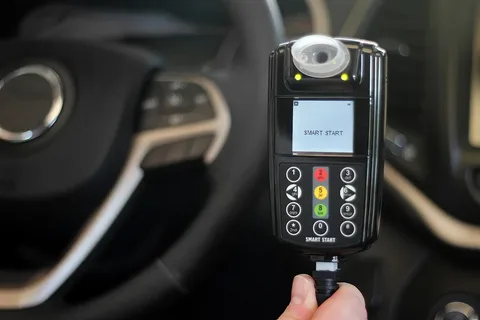
An ignition interlock device is more than a simple breathalyzer attached to a car. This system is designed to monitor alcohol use, enforce safety, and protect driving privileges during an interlock program. Many drivers underestimate how sensitive the device can be, which often leads to avoidable violations. Lack of awareness about daily habits, certain foods, and routine testing can result in a failed test, legal trouble, or extended program duration. Careful understanding of how the ignition interlock works helps drivers avoid common mistakes and maintain compliance. Smart decisions during daily use protect your record and keep your progress on track.
How an Ignition Interlock Device Works in Daily Driving
An ignition interlock device requires a breath sample before starting your vehicle. The system measures alcohol concentration in your breath and determines if it is safe to start the car. Once the engine is running, a rolling retest or random retest may occur during driving to confirm continued sobriety.
Each breath test is recorded by the device and shared with authorities overseeing your ignition interlock monitoring services to maintain compliance. Any failed test, missed rolling retest, or suspicious activity is logged and can lead to serious consequences. Drivers must stay alert during the entire process, not just at the start of the trip. Understanding ignition interlock requirements is essential for avoiding violations. Every action involving the device is part of your compliance record.
Common Mistakes That Lead to Ignition Interlock Violations
Ignoring Trace Alcohol from Everyday Products
Many drivers assume drinking alcohol is the only way to trigger an alcohol reading. Everyday items like hand sanitizer, mouthwash, and other products may contain alcohol in high concentrations. These substances can create a false positive if you provide a breath sample too soon after use. Proper timing reduces this risk. Waiting several minutes before a breath test allows trace amounts of alcohol to clear from your mouth. Rinsing with water also helps create a more accurate result.
Eating Certain Foods Before a Breath Test
Certain foods can affect your ignition interlock device if consumed right before testing. Fermented foods, sugary items, and products with trace amounts of alcohol may lead to temporary readings. These readings do not reflect intoxication but can still trigger a failed test. Waiting before blowing into the device helps prevent this issue. Developing a habit of testing only after a short delay improves consistency and accuracy.
Poor Breath Sample Technique
Providing an incorrect breath sample is one of the most common mistakes. Many drivers do not follow the proper method when they blow into the device. Weak airflow, short breaths, or inconsistent breathing patterns may result in errors or failure. Clear instructions are provided during installation. Practicing the correct way to breathe and blow into the interlock ensures smoother testing and fewer interruptions.
Missing a Rolling Retest While Driving
A rolling retest is required while the car is running to confirm continued sobriety. Missing a rolling retest is recorded as a violation, even if no alcohol is involved. Drivers often miss these prompts when they step away from a car that is still running in a parking lot. Turning off the engine when leaving your vehicle prevents missed tests. Staying alert to prompts during driving ensures compliance with the system.
Allowing Another Driver to Use Your Vehicle
Letting another person drive your car may seem harmless, yet it creates risk. Any failed test or violation is registered under your interlock device account. This means another driver’s mistake can lead to serious consequences for you. Restricting access to your vehicle is the safest approach. Maintaining control over the device protects your driving privileges.
Attempting to Bypass or Tamper with the Device
Some drivers try to bypass the system by asking someone else to provide a breath sample. Interlock technology is designed to detect irregular behavior and register tampering attempts. Such actions can lead to legal trouble, fines, or even jail time in some cases. Personal responsibility is required throughout the interlock program. Honest use of the device ensures compliance and avoids severe consequences.
Drinking Alcohol Too Close to Driving Time
Alcohol stays in the body longer than expected. Even if you feel fine, your breath test may still show an alcohol reading. Drinking alcohol too close to driving can lead to a failed test and possible violation. Planning ahead helps eliminate this risk. Avoiding alcohol entirely before driving is the safest decision during the program.
Skipping Calibration and Maintenance
Regular calibration is required to maintain device accuracy. Missing scheduled service appointments may cause the system to lock or produce unreliable readings. A poorly maintained ignition interlock device increases the chance of errors. Keeping the device clean and attending all maintenance visits ensures proper function. Consistent care supports accurate testing and program compliance. You can also maintain reliability with Pitstopinterlock for professional service and guidance.
Ignoring Cold Weather and Environmental Impact
Cold weather can affect the performance of your interlock device. Low temperatures may impact battery function or delay system response. Drivers who are not prepared for these conditions may experience issues during testing. Warming up your vehicle and following device guidelines helps maintain proper operation. Awareness of environmental factors reduces unexpected problems.
Smoking or Using Tobacco Products Before Testing
Tobacco products and smoke can affect the mouth environment and may interfere with a breath test. Smoking immediately before providing a sample can create inconsistent readings. Waiting a few minutes after smoking allows your mouth to clear. This simple habit helps ensure an accurate result.
Failing to Build a Routine
Consistency is one of the most effective ways to avoid mistakes. Drivers who treat each test as a random task are more likely to forget important steps. A simple routine before driving reduces the chance of errors. This routine may include checking the device, ensuring no recent food or product use, and preparing for the breath test. Structured habits lead to better outcomes and fewer violations over time.
Overlooking Program Rules and Requirements
Every ignition interlock program has specific rules that must be followed. Some drivers do not fully review these requirements, which leads to unintentional violations. Lack of awareness is not considered an acceptable excuse. Taking time to understand your program guidelines ensures that you meet all expectations. Clear knowledge allows you to avoid unnecessary penalties and complete the program without delays.
Foods and Products That Can Trigger Readings
Many drivers are concerned about which foods and products may affect their devices. Alcohol based mouthwash and breath fresheners are among the most common triggers. Certain medications also contain alcohol and should be used with caution. Fermented drinks and flavor extracts may contain trace amounts of alcohol. While these amounts are typically low, timing still matters. Waiting before testing reduces the likelihood of interference. Sugary foods and yeast-based items are sometimes mentioned as potential triggers. Most modern devices are designed to detect alcohol accurately, yet caution is still recommended. Practicing good timing habits remains the safest approach.
Consequences of Ignition Interlock Mistakes
Mistakes involving an ignition interlock device can lead to serious consequences. A failed test, missed rolling retest, or tampering attempt is recorded and reported. Repeated violations may extend your interlock program or result in additional penalties. Legal trouble may include fines, extended restrictions, or loss of driving privileges. Some cases may involve stricter monitoring or further action depending on the severity of the violation. Understanding these consequences highlights the importance of careful and consistent device use.
Practical Habits to Maintain Compliance
Building strong habits is the best way to avoid common mistakes. Testing only after waiting ensures accurate results. Rinsing your mouth before providing a breath sample adds another layer of safety. Keeping your device clean and attending calibration appointments supports proper function. Avoiding alcohol before driving removes uncertainty and protects your record. Turning off your car when stepping away prevents missed rolling retests. Limiting vehicle access to yourself eliminates unnecessary risk. Staying aware of prompts and following instructions keeps your interlock program on track. Consistency in daily behavior leads to successful completion of the program.
Long-Term Success with an Ignition Interlock Program
Completion of an interlock program depends on responsibility and awareness. Drivers who understand how the device works and follow proper habits experience fewer violations. Each successful breath test builds a record of compliance. Learning from common mistakes allows drivers to avoid them entirely. Small adjustments in behavior lead to better results over time. Careful attention to detail ensures a smoother process and faster return to full driving freedom.
Frequently Asked Questions
How can I avoid violations during an interlock program
Consistent habits such as waiting before testing, avoiding alcohol, attending calibration, and following device instructions help maintain compliance. Staying aware during every test protects your driving privileges.