
Drivers in Colorado Springs often face strict legal rules after a DUI conviction, especially when it comes to restoring driving privileges. Many individuals are required to install an ignition interlock device before they can legally operate a vehicle again. Clear knowledge of ignition interlock laws, eligibility criteria, and compliance steps can help drivers move forward without delays or added penalties.
Understanding the Ignition Interlock Device in Colorado
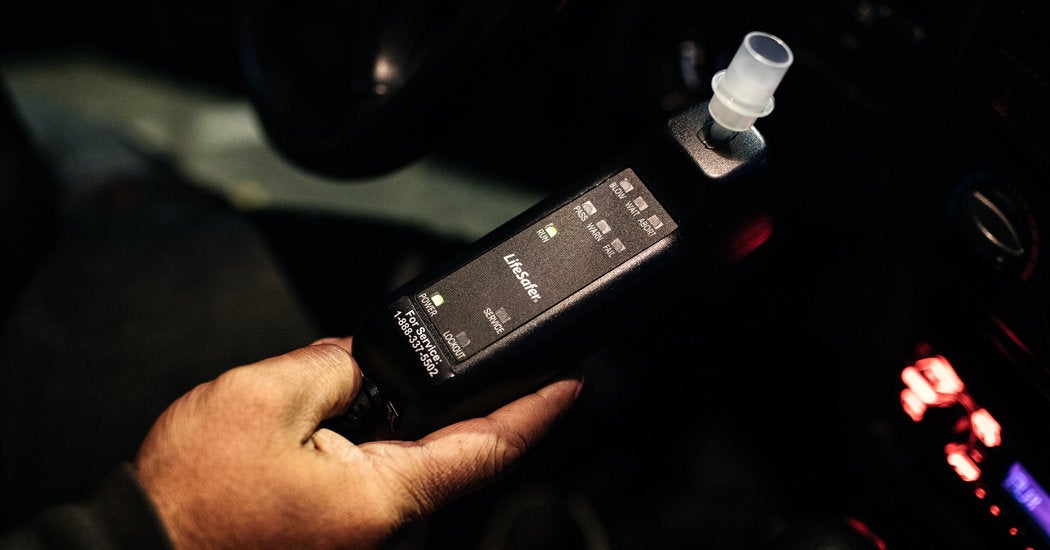
An ignition interlock device is a breathalyzer attached to a vehicle that prevents it from starting if alcohol is detected. Before starting the car, the driver must blow into the device and provide a clean breath sample. During the drive, the system may request a rolling retest to confirm continued sobriety. This device detects alcohol through breath analysis and records test results for review by the Colorado DMV.
Colorado law uses the ignition interlock program as a safety measure to reduce drunk driving incidents and support responsible driving behavior. Monitoring through an IID-installed system helps drivers regain limited access to motor vehicles while maintaining strict accountability.
Who Needs an Ignition Interlock Device in Colorado Springs
Legal requirements for an ignition interlock device in Colorado Springs depend on blood alcohol content, prior DUI convictions, and compliance with chemical testing. Several categories of drivers are required to install this device under Colorado law.
First DUI Offenders in Colorado
First DUI cases may require an ignition interlock device if the driver wants early reinstatement of driving privileges. Blood alcohol concentration plays a key role in determining IID requirements. Lower levels may result in shorter restrictions, while higher levels can extend the interlock requirement.
Early reinstatement allows drivers to obtain a restricted license sooner, provided that the IID-installed system is active and compliant. Many Colorado residents choose this option to maintain access to daily transportation.
High Blood Alcohol Concentration Cases
Drivers with a blood alcohol concentration of 0.15 or higher are considered high risk under Colorado law. This group falls under drivers designated as persistent drunk drivers. Interlock requirements for these cases are longer and include stricter monitoring conditions.
High BAC cases often require extended IID requirements, frequent calibration, and close tracking of test results. These measures aim to reduce repeated offenses and improve overall road safety.
Repeat DUI Offenders
Second DUI conviction in Colorado cases and additional DUI convictions lead to stricter penalties. Repeat DUI offenders are required to maintain an ignition interlock device for longer periods. Courts consider repeated violations as a pattern of unsafe driving behavior.
Extended interlock laws apply to these drivers, including longer monitoring periods and additional compliance checks. Maintaining consistent test results becomes essential to avoid further license suspension or license revocation.
Drivers Who Refuse Chemical Testing
Refusal to participate in chemical testing leads to automatic penalties under Colorado law. Drivers who refuse a breath or blood test face longer license suspension periods and must install an IID to regain driving privileges.
Refusal often results in more serious consequences than failing a test, making it a critical factor in ignition interlock requirements. Drivers must complete all steps in the ignition interlock program before license reinstatement is approved.
Habitual Traffic Offenders
Habitual traffic offenders with multiple qualifying offenses may also be required to install an ignition interlock device. This classification applies to individuals with repeated violations over time, especially when alcohol related incidents are involved.
The interlock requirement for this group is typically longer due to the severity and frequency of offenses. Compliance is closely monitored to confirm safe driving behavior before restoring full driving privileges.
Drivers Seeking Early Reinstatement
Some drivers install an ignition interlock device voluntarily to obtain early reinstatement after a DUI in Colorado. This option allows individuals to resume driving sooner with a restricted license.
Approval depends on meeting Colorado DMV conditions, completing any required DMV hearing, and installing the IID system through approved service centers. For professional help with setup, many drivers rely on ignition interlock installation services to complete the process correctly and meet all legal requirements.
Ignition Interlock Device Cost and Financial Considerations
Ignition interlock device cost includes several components that drivers must manage throughout the program. The installation fee is the initial expense required to set up the device in the vehicle. Monthly calibration fees are ongoing costs that cover monitoring and maintenance services.
Additional fees may apply for missed appointments, failed test results, or compliance issues. Full cost varies depending on the provider and duration of the program. Financial assistance programs may be available for eligible drivers to reduce the burden.
Planning ahead for these expenses is important to avoid interruptions in service or non-compliance penalties.
Duration of IID Requirements in Colorado
The length of time for an ignition interlock device depends on the nature of the DUI conviction and the driver’s history. First DUI cases may require several months of compliance, while repeat offenses and high BAC cases often require two years or more.
Violations during the program can extend the required period. Failed breath sample tests, missed calibration visits, or attempts to bypass the device can lead to serious consequences and additional time in the program.
Consistent compliance helps drivers complete the requirement without delays and move toward full driving privileges.
Installation and Compliance Process
Drivers must follow a structured process to get an ignition interlock device installed and approved by the Colorado Department of Vehicle Services. Installation must be completed by certified service centers that meet state regulations.
After installation, proof must be submitted to the Colorado DMV before driving privileges are restored. Regular maintenance visits are required to keep the device functioning correctly and to record test results.
Compliance includes responding to every rolling retest, avoiding alcohol before driving, and attending all scheduled appointments. Failure to follow these rules can result in license suspension or additional restrictions.
Consequences of Non-Compliance
Non-compliance with ignition interlock laws leads to serious consequences. Driving a car without an IID installed while under restriction can result in license revocation and extended penalties.
Tampering with the device or attempting to bypass the system is treated as a violation and may lead to longer interlock periods. False BAC readings caused by improper use can also create complications, making proper usage essential.
Maintaining full compliance protects driving privileges and prevents unnecessary legal issues.
Impact on Daily Life in Colorado Springs
Using an ignition interlock device affects daily routines, especially for drivers in Colorado Springs and nearby areas like Manitou Springs and El Paso County. Each trip requires a breath sample before starting the vehicle, and drivers must stay alert for rolling retest prompts.
Planning becomes important, as extra time is needed for testing and device checks. Over time, most drivers adjust to the process and integrate it into their daily lives without major disruptions.
Access to a vehicle allows individuals to maintain employment, attend appointments, and manage responsibilities while completing the program.
Legal Support and Guidance
DUI offenders often seek quality legal representation to understand their rights and responsibilities. Legal professionals with extensive experience in DUI in Colorado can help drivers prepare for a DMV hearing, explore early reinstatement options, and handle compliance issues.
Many law firms offer a free consultation to review the case and explain available options. Proper legal guidance can make a significant difference in managing ignition interlock requirements and avoiding further penalties.
Long-Term Benefits of Compliance
Completing the ignition interlock program successfully helps drivers regain full driving privileges and rebuild trust with authorities. Consistent compliance demonstrates responsibility and commitment to safe driving.
Drivers who follow all IID requirements and avoid violations can apply for early removal once eligible. Maintaining safe habits after completion reduces the risk of future DUI convictions and supports long-term driving freedom. For trusted guidance and services, drivers can explore Pitstopinterlock for support throughout the process.
Final Thoughts
Ignition interlock laws in Colorado Springs apply to a wide range of drivers, including first DUI offenders, repeat offenders, individuals with high blood alcohol content, and those who refuse chemical testing. A clear understanding of IID requirements, costs, and compliance steps allows drivers to move forward with confidence.
Responsible behavior, timely installation, and consistent monitoring are key to completing the program successfully. Following the rules not only protects driving privileges but also promotes safer roads across Colorado.