
Court-ordered drivers frequently search for one clear answer, how often do I have to get my interlock calibrated? Participation in an ignition interlock program comes with strict compliance rules, and device calibration is one of the most important obligations. State motor vehicles departments, probation offices, and the assigned monitoring authority require routine calibration to confirm that the ignition interlock device continues working properly and can provide precise BrAC readings.
Across most states, the general rule requires calibration every 30 to 60 days. Exact frequency can vary depending on state regulations, offense level, and court directives. Florida, Kentucky, Maine, New Mexico, New York, Pennsylvania, and Wyoming each follow their own compliance structure, which means drivers must confirm their specific schedule during installation and review their documentation provided at the time of enrollment. Scheduling your Ignition interlock installation with a certified provider ensures you receive accurate guidance about your calibration timeline from the beginning. Staying aware of your calibration date protects your driver’s license status and prevents unnecessary penalties.
Ignition Interlock Device
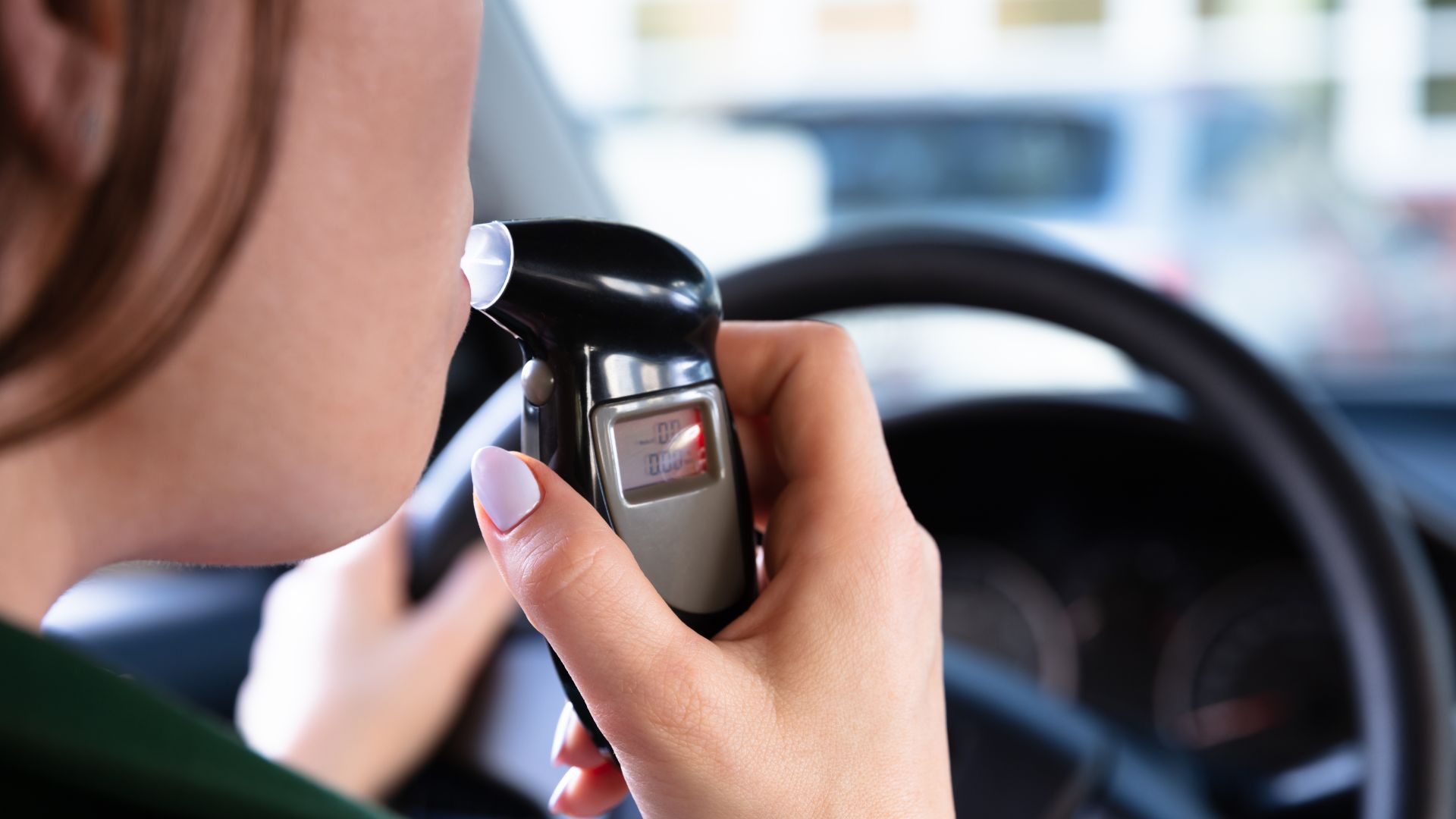
An ignition interlock device is a breath alcohol testing system installed in a vehicle to prevent operation after alcohol consumption. Before the engine starts, the driver must blow into the device. If the breath alcohol concentration exceeds the preset limit, the vehicle will not start. Once driving begins, the device requires a rolling retest at random intervals to confirm ongoing sobriety.
Accuracy is central to the system. The ignition interlock device must provide precise BrAC readings every time it is used. Sensors inside the unit can shift slightly over time due to temperature changes, humidity, or normal wear. Device calibration corrects these minor shifts so the system remains reliable and legally compliant.
You may be interested in: How the Interlock Ignition Device Works: A Step-by-Step Guide.
Ignition Interlock
An ignition interlock is not a one-time installation followed by passive monitoring. Participation in an ignition interlock program includes ongoing service, data reporting, and regular calibration. Monitoring authorities review stored data from each interlock device to confirm that drivers follow program rules.
Compliance protects restricted driving privileges. Failing to maintain your interlock can result in a program violation, device lockout, or extension of the required monitoring period. Courts treat calibration as part of the legal sentence, not as an optional maintenance step.
Calibration Appointment
Every driver must attend a scheduled calibration appointment at an approved service center. During this visit, a certified technician connects diagnostic equipment to the interlock device, downloads stored data, and recalibrates the fuel cell sensor. Calibration typically takes a short amount of time, often between 15 and 30 minutes, making it a convenient and simple process when completed on schedule.
Data reviewed during a calibration appointment may include start-up tests, rolling retest results, missed tests, and any alerts triggered by the device. If the system shows signs of tampering or failed tests, that information is transmitted to the monitoring authority. Drivers searching for Interlock services near you should choose a location that offers flexible scheduling and dependable reporting to avoid compliance issues.
Calibration Service Appointment
A calibration service appointment is more than a technical check. It confirms that the device remains accurate, secure, and properly installed. Technicians inspect wiring, camera components if required, and verify that the interlock device continues functioning as intended.
Many providers operate multiple service center locations to make appointments accessible. Drivers are encouraged to schedule their next calibration before leaving the current visit. Setting reminders on your phone helps maintain consistency and prevents missed deadlines.
Failure to attend a calibration service appointment within the allowed grace period may trigger a device lockout. Lockout prevents the vehicle from starting until the device is calibrated and reset. Additional services needed to restore operation may involve extra fees paid directly to the provider.
Device Calibration
Device calibration is required because breath alcohol testing equipment must maintain strict accuracy standards. Regular calibration ensures the device can provide precise BrAC readings that reflect actual breath alcohol concentration. Without proper recalibration, sensor drift could compromise reliability.
State departments require device calibration at defined intervals to maintain compliance. The frequency may vary depending on local regulations and court conditions. Some drivers must return every 30 days, while others follow a 60-day schedule. Installation paperwork lists the minimum return window and next calibration date.
Ignition Interlock Program
Enrollment in an ignition interlock program involves several steps. An installation appointment is scheduled after court approval or motor vehicles authorization. During installation, drivers review the lease agreement, confirm operational costs required, and receive documentation provided that outlines calibration frequency and reporting rules.
Monthly lease payments usually cover standard monitoring services, including regular calibration. Operational costs vary depending on the provider and state. An industry standard fee often includes data downloads, reporting to the monitoring authority, and routine maintenance. Additional services may increase total operational costs if violations occur.
Some providers offer financial assistance programs for eligible participants. Payment structures differ, and fees are typically paid directly to the interlock company rather than to third-party websites. Reviewing your lease agreement helps you understand what is included and what may cost extra.
Ignition Interlock Calibration
Ignition interlock calibration protects both the driver and the public. Accurate testing reduces the risk of false readings and confirms that the device is working properly at all times. Regular calibration ensures continued compliance with court requirements and prevents unnecessary program extensions.
Calibration frequency is determined by the department overseeing your case. Legal advice may be helpful if you are unsure about the exact duration of your interlock requirement. Monitoring authorities define how long the ignition interlock must remain installed and how often it must be calibrated.
Missing a required visit can be reported as a program violation. Repeated violations may result in a longer period in the ignition interlock program. Staying proactive keeps your compliance record clean.
Interlock Device
An interlock device remains installed for the full court-ordered period. During that time, drivers must maintain vehicle registration, keep insurance current, and attend every service appointment. The device continues to record all activity until removal is authorized.
Once the mandated period ends, drivers schedule a removal appointment. The monitoring authority reviews compliance records before restoring unrestricted driving privileges. Completing every calibration on time supports a smooth transition at the end of the program. Drivers working with Pit Stop Interlock benefit from clear scheduling guidance and consistent reporting throughout the required term.
Installation Appointment
Your installation appointment marks the start of the interlock program. A technician will install the device, explain how to use it, and review calibration requirements. Drivers learn how to blow correctly into the unit, respond to rolling retest prompts, and recognize alerts.
Understanding the schedule from day one reduces confusion later. Installation paperwork includes your first calibration date and instructions on how to contact the service center if issues arise.
Calibration Date
Each calibration date is assigned based on your enrollment timeline. Missing that date may activate warning alerts before a full device lockout occurs. Responding quickly to any alert helps avoid disruption.
Drivers should confirm the next calibration date at every visit. Recording the date in a calendar or reminder app creates an extra layer of protection.
Calibrate Your Device
When you calibrate your device on schedule, you protect your driver’s license and demonstrate compliance. Most drivers will need to calibrate every 60 days, though some states require more frequent visits. The simple process takes a single visit and a short amount of time.
Keeping your interlock device calibrated maintains accuracy, reliability, and trust in the results it produces. Maintaining regular service, understanding your frequency requirements, and staying in communication with your service center will help you complete your ignition interlock program without interruption.